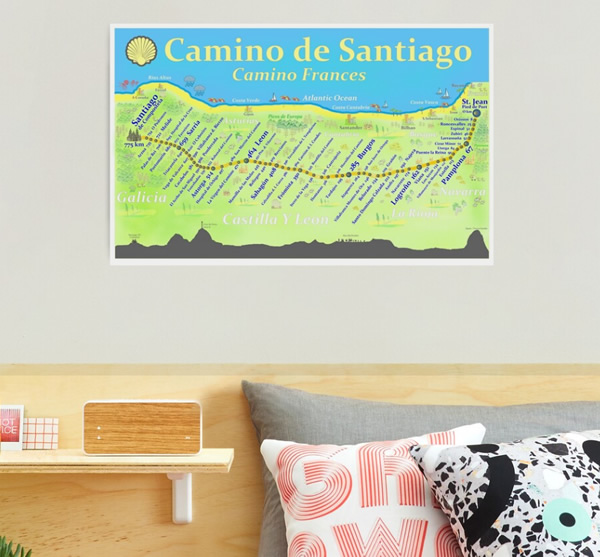
Walk a Camino in 2026!
Here are 5 compelling reasons why someone who’s never walked the Camino de Santiago should consider doing it in 2026—especially as a first-timer. This ancient pilgrimage route (particularly the popular Camino Francés) offers a transformative, accessible adventure that’s perfect for beginners, with 2026 bringing some unique advantages.
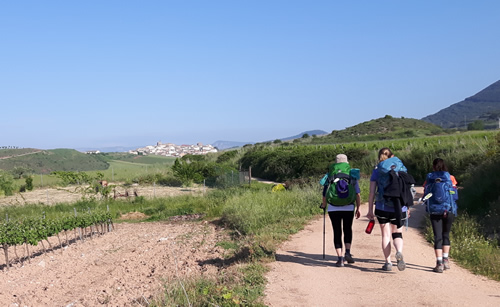
- It’s a perfect “soft entry” year for authenticity and manageability
2026 is shaping up as a calmer, more “normal” year on the Camino compared to the upcoming Holy Year (Xacobeo) in 2027, when crowds are expected to surge significantly due to special celebrations and the opening of the Holy Door in Santiago Cathedral. Many sources describe 2026 as a return to genuine peace and community—fewer overwhelming masses of pilgrims than post-pandemic peaks or pre-2027 hype—making it easier for first-timers to find beds in albergues (pilgrim hostels), enjoy quieter paths, and experience the trail’s supportive, authentic vibe without extreme competition for accommodations. It’s often called the sweet spot: busy enough for camaraderie but not overcrowded. - Profound personal growth and life reset in a low-pressure formatWalking the Camino is widely regarded as one of the most accessible ways to achieve deep self-reflection and transformation—no prior long-distance hiking experience required. As a first-timer, you’ll step into a daily rhythm of 20-25 km walks through stunning landscapes (mountains, forests, villages, and Galicia’s green hills), which naturally becomes a moving meditation. Many beginners report emerging stronger, clearer-headed, and more resilient—whether processing grief, contemplating big life changes, or simply escaping modern distractions. The structure (yellow arrows guiding you, fellow pilgrims sharing stories) makes it beginner-friendly and profoundly rewarding.
- Incredible sense of community and human connectionOne of the Camino’s greatest draws is the instant global “pilgrim family.” You’ll meet people from everywhere—sharing meals, stories, blisters, and laughs—often forming lifelong bonds in just weeks. For someone new to this, the trail’s culture of mutual support (the famous “Buen Camino!” greeting) creates a rare sense of belonging without needing to know anyone beforehand. It’s especially powerful for solo walkers or those seeking meaningful connections in an increasingly disconnected world.
- Physical challenge that’s achievable and empowering
The Camino builds you up gradually—starting with shorter days if needed—and rewards completion with an immense sense of accomplishment (earning the Compostela certificate after at least the final 100 km). As a first-timer, choose an easier entry like the last section from Sarria (about 2 weeks, manageable for most fitness levels) or the full Frances for a bigger challenge. 2026’s weather in spring (April-May) or fall (September-October) offers ideal conditions: mild temps, blooming landscapes, and fewer extremes than summer heat or winter rain. Training is straightforward (build up with regular walks), and the trail’s infrastructure (cafes, albergues, medical support) makes it far less intimidating than a remote trek. - Rich cultural, historical, and sensory immersion
This UNESCO World Heritage route has drawn pilgrims for over 1,000 years, passing medieval villages, ancient churches, Roman bridges, and incredible food (think fresh seafood, regional wines, and pilgrim menus). Even non-religious walkers love the blend of history, architecture, and nature—plus the spiritual atmosphere adds depth without requiring faith. In 2026, you’ll also catch echoes of the Franciscan Jubilee Year (celebrating St. Francis of Assisi’s legacy), which ties into the Camino’s Franciscan heritage and adds extra reflective events or indulgences for those interested—without the full 2027 frenzy.